A lead can look more promising in a spreadsheet than it does on a phone call.
Marketing sees a new form submission and passes it to sales. Sales follows up and finds that the person is only researching, does not understand the service or is nowhere near a decision. The familiar disagreement follows: sales says the leads are weak, while marketing says the opportunities are not being closed.
Often, the missing step is what happens between a person showing interest and becoming ready for a sales conversation.
A Lead Is a Signal, Not a Promise
Someone can become a lead by downloading a guide, completing a quote form, clicking a WhatsApp button or requesting a consultation. Those actions do not carry the same level of intent.
A person reading general information may be months from choosing a provider. Someone asking about pricing, availability or a specific solution may be much closer. Treating both enquiries in the same way wastes time and can make the prospect feel pressured.
Marketing should first establish why the person entered the funnel and what that action suggests about their stage in the buying process.
Educate Before Expecting Sales to Convert
Prospects are difficult to sell to when they still have basic questions. They may not understand what the service includes, whether it suits their business or how the process works.
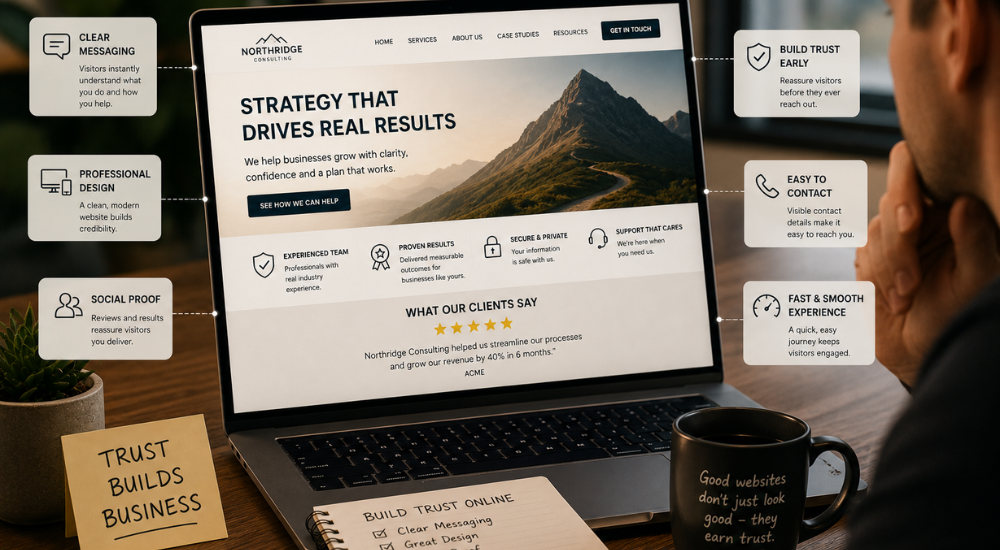
Service pages should explain the offer clearly. Campaigns should set realistic expectations. Case studies should show what the business has solved before. Follow-up content should answer the questions that commonly delay a decision.
This does not mean giving every detail away. It means making sure the lead understands enough to have a useful conversation.
Look Beyond the Form Submission
A name and telephone number provide contact information. They do not reveal readiness.
Behaviour can offer better clues. Has the person returned to the website? Did they visit a pricing or service page? Have they read a case study, opened a follow-up email or requested direct contact?
Marketing can use a few relevant signals to separate early interest from stronger buying intent. There is no need to build a complicated scoring model immediately. Start with actions that tend to lead to worthwhile conversations, then refine the process using real results.
Nurture According to What the Lead Needs
Not being sales-ready today does not make a lead worthless. Some people need time. Others need reassurance, proof or a clearer reason to act.
The answer is not to send the same newsletter to every contact. A prospect interested in lead generation should receive different information from someone researching a new website. A person who downloaded an introductory guide should not receive the same message as someone who requested a proposal.
Useful nurturing keeps the original interest alive and helps the prospect take the next logical step without making every message feel like a sales chase.
Make the Handover Useful
When a lead is ready, sales should receive more than a name and number. The handover should show where the enquiry came from, what interested the person, which content they engaged with and what action triggered the handover.
That context allows the salesperson to speak to a known need instead of opening with a generic introduction.
Marketing and sales also need a shared definition of “sales-ready”. It might include a relevant need, a suitable customer profile, a clear enquiry type and a strong intent signal. The exact criteria will differ, but both teams must work from the same definition.
Better Leads Are Built Before They Reach Sales
Lead generation should not end when a form is completed. Marketing still has work to do: educate, qualify, nurture and identify the right moment for personal follow-up.
A better handover gives sales fewer dead-end conversations and more opportunities with genuine potential. It also gives marketing a more meaningful measure of success than lead volume alone.
At iHeartMedia, we build connected digital journeys that turn attention into useful business opportunities. By bringing campaign strategy, content, websites and lead nurturing together, we help businesses give sales a stronger starting point and prospects a better reason to continue the conversation.